
FREE SHIPPING ON ORDERS OVER $70
skincare mistakes that damage your skin

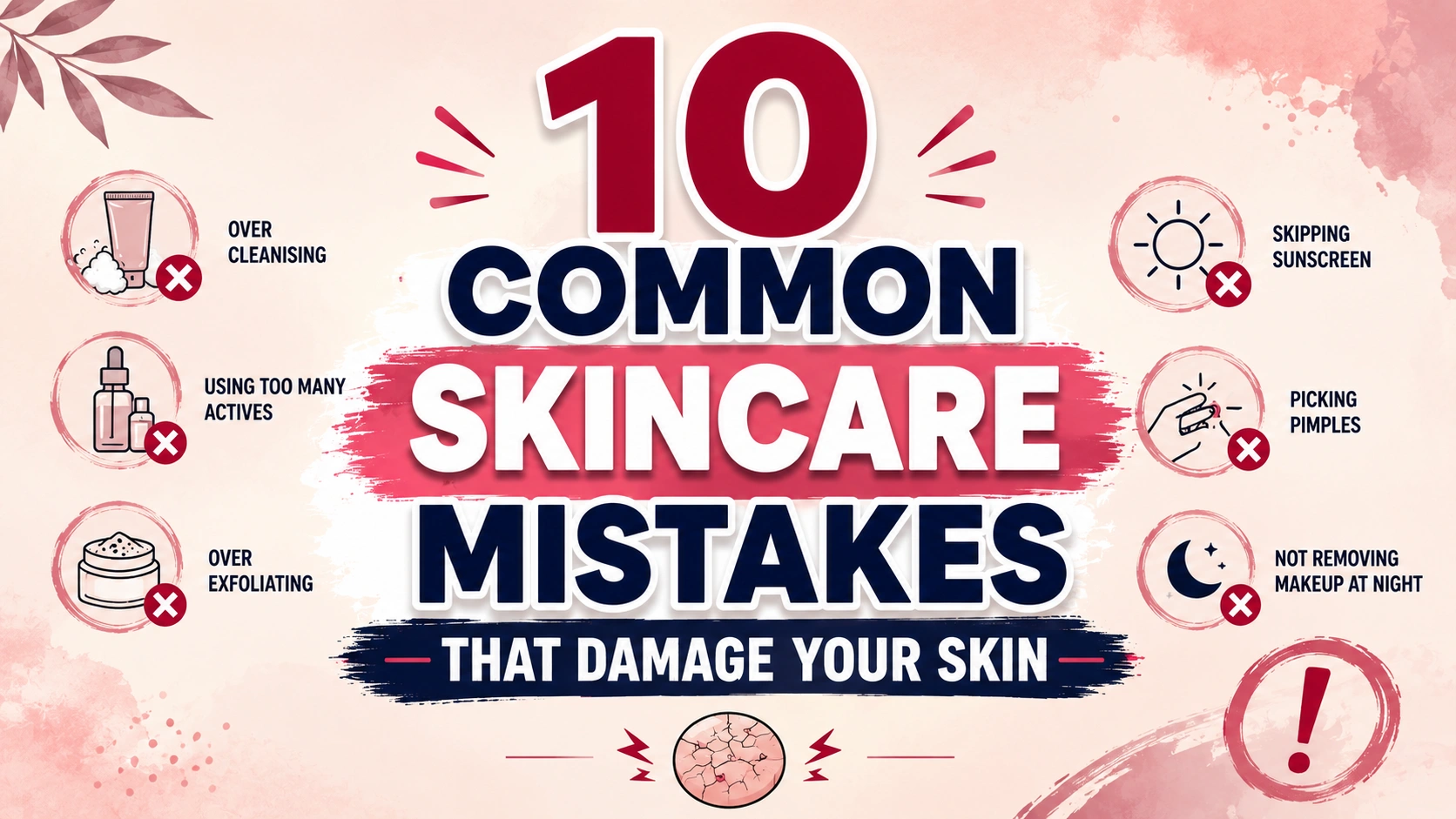
10 Common Skincare Mistakes That Damage Your Skin

Healthy skin is not achieved by buying the most expensive serum or following every skincare trend on social media. In reality, the biggest difference between glowing skin and problematic skin often comes down to avoiding simple daily habits that quietly damage your skin over time. Many people spend thousands on skincare products yet continue dealing with acne, dullness, dryness, pigmentation, or irritation because their routine contains mistakes they don’t even realize they’re making.

These skincare mistakes that damage your skin gradually weaken your skin barrier, making it harder for your skin to protect itself from pollution, UV rays, bacteria, and moisture loss. Once the barrier becomes compromised, even high-quality products may fail to deliver results. If you’ve ever wondered “Why is my skin so bad even though I take care of it?”, the answer may not be your products—it could be your skincare habits.

In this guide, we’ll explore the 10 common mistakes in skincare that dermatologists frequently see, explain why they happen, and discuss simple ways to build a healthier routine. You’ll also discover some of the best products for skincare that can support your skin without overwhelming it.

Why Your Everyday Habits Matter More Than Expensive Products

Your skin renews itself every day. During this process, it depends on a healthy protective barrier made of natural oils, ceramides, and skin cells. This barrier locks in hydration while keeping harmful bacteria, allergens, and environmental pollutants out.

Unfortunately, many everyday habits slowly weaken this natural defense. Overwashing your face, skipping sunscreen, experimenting with multiple active ingredients, or touching your face repeatedly may seem harmless, but together they create the perfect environment for irritation, dehydration, and breakouts.

These are exactly the kinds of dermatologist skincare mistakes that damage your skin because they interfere with your skin’s natural healing process. Instead of constantly changing products, focus on correcting these habits first. You’ll often notice healthier skin long before purchasing another expensive serum.

1. Cleansing Too Much—or Not Enough

Cleansing is one of the most important steps in every skincare routine, but many people get it wrong. Some people wash their face four or five times a day, believing cleaner skin means fewer pimples. Others only wash their face at night or skip cleansing after sweating.

Both habits can damage your skin. Over-cleansing strips away your skin’s natural oils, causing dryness, irritation, and increased oil production. Ironically, your skin may become oilier because it tries to compensate for the lost moisture. Under-cleansing allows dirt, sunscreen, makeup, sweat, and pollution to remain on your skin, clogging pores and encouraging acne-causing bacteria.

Signs You’re Cleansing Incorrectly

  • Tight skin after washing
  • Excessive oil within a few hours
  • Dry patches around the nose
  • Persistent breakouts
  • Redness after cleansing

Choosing a gentle cleanser suited to your skin type makes a huge difference. For oily or acne-prone skin, La Roche-Posay Effaclar Purifying Foaming Gel removes excess oil without making your skin feel stripped. If your skin is sensitive, La Roche-Posay Toleriane Purifying Foaming Cleanser gently removes impurities while helping maintain your skin barrier. Remember that cleansing should leave your skin feeling refreshed—not squeaky clean.

2. Skipping Moisturizer Because Your Skin Feels Oily

One of the biggest myths in skincare is that oily skin doesn’t need moisturizer. In fact, oily skin can still be dehydrated. When your skin lacks water, it often responds by producing even more oil. This extra oil mixes with dead skin cells and bacteria, increasing the chances of clogged pores and acne.

Many people asking “Why is my acne getting worse even though I do skincare?” unknowingly skip moisturizer, making their skin produce even more sebum. Using a lightweight moisturizer helps restore hydration without making your skin greasy. Some excellent options include:

These moisturizers help strengthen your skin barrier while providing long-lasting hydration suitable for daily use.

3. Not Wearing Sunscreen Every Single Day

Among all skincare mistakes that damage your skin, skipping sunscreen is perhaps the most harmful. Many people only wear sunscreen during vacations or sunny days. However, UV rays penetrate clouds and even pass through windows, meaning your skin is exposed almost every day.

Daily sun exposure accelerates:

  • Premature wrinkles
  • Pigmentation
  • Uneven skin tone
  • Fine lines
  • Loss of collagen
  • Sunspots

Even the best skincare products cannot fully repair continuous UV damage. A broad-spectrum sunscreen should always be the final step in your morning skincare routine.

If you have oily skin, La Roche-Posay Anthelios Sunscreen UVMUNE400 Oil Control Gel Cream SPF50+ provides lightweight protection with a matte finish. For most skin types, La Roche-Posay Anthelios Sunscreen UVMUNE400 Invisible Fluid SPF50 offers excellent protection while feeling almost weightless. Daily sunscreen is one of the easiest investments you can make for healthy skin in the future.

4. Mixing Too Many Active Ingredients Together

Modern skincare offers countless active ingredients like retinol, vitamin C, niacinamide, glycolic acid, salicylic acid, and benzoyl peroxide.

While each ingredient has benefits, using too many together often leads to irritation instead of improvement. Many people believe layering several treatment products will produce faster results. Unfortunately, the opposite usually happens. Your skin becomes inflamed, red, flaky, and more sensitive. Instead of introducing five new products at once, add only one active ingredient every few weeks. This allows your skin to adapt while making it easier to identify which product works for you.

If pigmentation is your primary concern, La Roche-Posay Mela B3 Anti-Dark Spot Serum can be introduced gradually. To support overnight skin repair, CeraVe Skin Renewing Night Cream helps replenish moisture while strengthening your skin barrier.

Ingredient Combinations to Avoid

  • Retinol + strong exfoliating acids
  • Multiple exfoliants together
  • Benzoyl peroxide + retinol during the same routine (initially)
  • Too many acids layered together
  • Starting several new products in one week

A simple routine almost always performs better than an overloaded one.

5. Picking Pimples Instead of Letting Them Heal

Almost everyone has been tempted to squeeze a pimple before an important event. Unfortunately, this habit causes far more damage than the original breakout. Picking pimples pushes bacteria deeper into the skin, increases inflammation, delays healing, and significantly raises the risk of acne scars and dark marks. This is one reason many people search “How to remove dry pimples on face” after accidentally peeling healing skin from a breakout.

Instead of touching blemishes, allow your skin to heal naturally while maintaining a gentle skincare routine. If irritation develops after acne heals, La Roche-Posay Cicaplast Baume B5 Creme helps calm damaged skin and supports recovery. Meanwhile, La Roche-Posay Effaclar Clarifying Solution can help keep pores clearer when used as directed. Keeping your hands away from your face may seem like a small habit, but it can significantly reduce breakouts over time.

6. Over-Exfoliating Your Skin

Exfoliation removes dead skin cells and helps reveal smoother skin underneath. However, exfoliating too often is one of the 10 common mistakes in skincare that dermatologists repeatedly warn against. Many people mistakenly believe that if exfoliating twice a week is beneficial, then doing it every day must be even better. Unfortunately, excessive exfoliation damages the skin barrier, increases sensitivity, causes redness, and makes your skin more vulnerable to sun damage.

Instead of chasing instant smoothness, exfoliate according to your skin type and allow your skin enough time to recover between treatments. Supporting your routine with a gentle cleanser like La Roche-Posay Lipikar AP+ Gentle Foaming Moisturizing Wash helps maintain hydration while reducing the risk of post-exfoliation dryness. Healthy skin is achieved through consistency—not aggression.


7. Using Products That Don’t Suit Your Skin Type

One of the biggest reasons people fail to see results from their skincare routine is using products that aren’t designed for their skin type. Social media trends often convince people to buy viral products without considering whether they’re actually suitable. What works beautifully for someone with oily skin may leave dry skin irritated, while rich creams loved by people with dry skin can clog pores if your skin is acne-prone.

This is one of the most overlooked skincare mistakes that damage your skin because many people assume expensive or popular products automatically work for everyone. The truth is that every skin type has different needs. Understanding whether your skin is oily, dry, combination, normal, or sensitive helps you create a routine that supports your skin instead of stressing it.

For example, if pigmentation is your main concern but your skin is also sensitive, La Roche-Posay Mela B3 Anti-Dark Spots Face Wash provides gentle cleansing while targeting uneven skin tone. Those dealing with dry or chapped lips can include La Roche-Posay Cicaplast Multicolor Lip Barrier Repairing Balm to restore moisture and protect the delicate lip barrier.

Rather than following influencers blindly, take time to understand your own skin. Choosing products based on your skin’s actual requirements leads to healthier, more consistent results.

Tips to Choose the Right Products

  • Identify your skin type before buying new skincare.
  • Read ingredient lists instead of relying only on advertisements.
  • Introduce one new product at a time.
  • Patch test before applying products to your entire face.
  • Avoid purchasing products simply because they’re trending.

When your products match your skin’s needs, your routine becomes simpler, more effective, and much less irritating.

8. Ignoring Seasonal Changes in Your Skincare Routine

Your skin doesn’t behave the same way throughout the year, yet many people continue using the exact same routine regardless of weather changes. Seasonal conditions affect oil production, hydration levels, sensitivity, and even acne.

One of the most common Summer Skincare Mistakes is continuing to use heavy moisturizers during hot, humid weather. Increased sweat, humidity, and oil production can make thick creams feel greasy while increasing clogged pores and breakouts.

Similarly, during winter, lightweight summer products may not provide enough hydration, leading to dryness and flaking. Instead of following one routine all year, adjust your products according to your skin’s changing needs.

During warmer months:

  • Switch to lightweight moisturizers.
  • Cleanse gently after excessive sweating.
  • Never skip sunscreen.
  • Reduce heavy occlusive products if your skin feels oily.

For daytime protection, La Roche-Posay Anthelios Dry Touch SPF 60 Sunscreen offers broad-spectrum UV protection while helping control shine throughout the day.

After spending long hours outdoors, cleanse your skin gently and replenish hydration with lightweight moisturizers rather than layering multiple heavy creams. Small seasonal adjustments help maintain a healthier skin barrier and reduce unnecessary irritation.

9. Expecting Overnight Results and Constantly Changing Products

Patience is one of the most underrated parts of skincare. Many people purchase a new cleanser, serum, or moisturizer expecting visible improvement within three or four days. When nothing changes immediately, they replace it with another product. A week later, they buy something else.

This cycle continues for months. Ironically, this habit often becomes the reason their skin never improves. Healthy skin needs time. Your skin typically renews itself over approximately four weeks. Active ingredients like retinol, niacinamide, vitamin C, and pigmentation treatments usually require several weeks—or even months—before noticeable improvements appear.

Many people searching “Does skincare make your skin worse before better” become worried after seeing a few new breakouts. The answer depends on what’s happening.

Some ingredients increase cell turnover, temporarily bringing underlying congestion to the surface. This process is called skin purging and usually settles within a few weeks. However, burning, severe redness, swelling, itching, or painful irritation are not signs of purging. These symptoms usually indicate that your skin barrier has become damaged or that a product isn’t suitable for your skin. If irritation develops, simplify your routine immediately.

Barrier-repairing moisturizers such as La Roche-Posay Lipikar AP+M Triple Repair Moisturizing Cream help replenish moisture while reducing dryness and discomfort. For extremely dry or compromised areas, Vaseline Blueseal Pure Petroleum Jelly Aloe Vera provides an additional protective layer that locks in hydration overnight.

Give Products Enough Time

As a general rule:

  • Cleansers: 2–4 weeks
  • Moisturizers: 2–4 weeks
  • Acne treatments: 6–12 weeks
  • Pigmentation products: 8–12 weeks
  • Anti-aging products: 3–6 months

Consistency almost always delivers better results than constantly changing products.

10. Forgetting That Hygiene Plays a Major Role in Healthy Skin

Many people focus only on facial products while forgetting that everyday hygiene habits significantly affect skin health. Your pillowcase, towel, makeup brushes, mobile phone, spectacles, and even your hair transfer oil, dirt, bacteria, and product residue onto your face throughout the day.

Even the best skincare routine cannot compensate for poor hygiene. Dirty pillowcases repeatedly expose your skin to bacteria during sleep. Makeup brushes collect oil and dead skin cells. Phones constantly touch your cheeks after being exposed to countless surfaces. Simple habits can dramatically reduce recurring breakouts.

Build Better Daily Hygiene Habits

  • Change pillowcases every 3–4 days.
  • Wash makeup brushes weekly.
  • Clean your phone screen regularly.
  • Never sleep with sunscreen or makeup on.
  • Wash your hands before touching your face.
  • Replace old face towels frequently.

Body care also contributes to healthier skin.

After workouts or long days outside, products such as L’Oreal Paris Men Expert Cool Power Shower Gel, L’Oreal Paris Men’s Expert Invincible Sport Shower Gel, and Irish Spring Ultimate Wake Up Tea Tree Face & Body Wash help remove sweat, oil, and impurities that could otherwise contribute to body acne and irritation.

Don’t Ignore Hair Care—It Can Affect Your Skin Too

Many people don’t realize that scalp health directly influences facial skin, particularly around the forehead, temples, and hairline. Excess scalp oil, dandruff, styling creams, hair wax, and sprays often transfer onto facial skin, increasing clogged pores and breakouts. This is especially common if you’re wondering “Why am I getting pimples on my face all of a sudden?” Sometimes the culprit isn’t your facial skincare at all—it’s your hair products. If your scalp is oily or flaky, maintaining proper scalp hygiene becomes just as important as cleansing your face. Depending on your scalp type, you can consider:

On busy days between washes, Batiste Original Classic Clean Dry Shampoo helps absorb excess oil while refreshing your hair, reducing oil transfer to the forehead. If your hair feels dry or damaged, Maui Moisture Nourish & Moisture + Coconut Milk Conditioner provides hydration without encouraging excessive buildup near the hairline. Healthy hair and healthy skin often go hand in hand.

How to Stop Pimples Coming on Face at Home

Many people search “How to stop pimples coming on face at home”, hoping for an instant solution. Although no home remedy can eliminate acne overnight, following healthy skincare habits consistently can significantly reduce breakouts over time. Start with the basics:

  • Wash your face twice daily using a gentle cleanser.
  • Moisturize regularly.
  • Apply sunscreen every morning.
  • Avoid touching your face.
  • Keep pillowcases clean.
  • Stay hydrated.
  • Manage stress.
  • Avoid squeezing pimples.

Simple daily habits often produce better long-term results than experimenting with numerous DIY remedies.

Best Products for Skincare: Build a Simple Routine

Finding the best products for skincare isn’t about buying everything you see online. Instead, choose products that suit your skin type and address your specific concerns. A balanced routine usually includes:

Morning Routine

  • Gentle Cleanser
  • Moisturizer
  • Sunscreen

Evening Routine

  • Gentle Cleanser
  • Treatment Serum (if needed)
  • Moisturizer

Only introduce additional products once your basic routine feels comfortable and consistent. Remember, healthy skin comes from discipline—not from having twenty different products on your shelf.

Final Thoughts

Beautiful skin isn’t created overnight, nor is it achieved by purchasing the most expensive products available. It develops through consistent habits, patience, and understanding what your skin truly needs.

Most skincare mistakes that damage your skin are surprisingly simple. Cleansing too aggressively, skipping moisturizer, ignoring sunscreen, mixing active ingredients incorrectly, picking pimples, changing products too often, and neglecting everyday hygiene can slowly weaken your skin barrier and prevent your routine from delivering the results you expect.

If you’ve ever asked yourself “Why is my skin so bad even though I take care of it?”, the answer may lie in these small daily habits rather than the products you’re using. Instead of chasing every skincare trend, focus on building a gentle, balanced routine. Give products enough time to work, protect your skin from sun exposure, and make consistency your biggest skincare goal. Healthy, glowing skin is not about perfection—it’s about making better choices every day.

Frequently Asked Questions

What are common skincare mistakes?

Some of the most common skincare mistakes include over-cleansing, skipping moisturizer, not wearing sunscreen daily, over-exfoliating, squeezing pimples, using products that don’t match your skin type, layering too many active ingredients, and changing products before they have enough time to work.

What are the 7 sins of skincare?

The seven major skincare mistakes include sleeping with makeup, skipping sunscreen, over-exfoliating, using harsh cleansers, touching pimples, ignoring hydration, and expecting instant results from skincare products. Avoiding these habits helps maintain a healthier skin barrier.

Does skincare make your skin worse before better?

Certain active ingredients such as retinol or exfoliating acids may cause temporary purging as clogged pores come to the surface. However, persistent redness, burning, swelling, or severe irritation usually indicates that a product is damaging your skin barrier rather than improving it.

Why is my acne getting worse even though I do skincare?

Acne may worsen because of overusing active ingredients, changing products too frequently, skipping moisturizer, touching your face often, or using products unsuitable for your skin type. Hormonal changes, stress, diet, and seasonal factors can also contribute to breakouts.

Why am I getting pimples on my face all of a sudden?

Sudden breakouts may result from hormonal fluctuations, stress, dietary changes, new skincare products, poor hygiene, dirty pillowcases, excessive oil from your hair, or seasonal weather changes. Reviewing recent lifestyle and skincare changes can help identify the cause.

How to remove dry pimples on face?

Avoid peeling or picking dry pimples. Instead, keep the area moisturized, use gentle cleansers, protect your skin barrier, and allow the skin to heal naturally. Picking dry pimples increases the risk of pigmentation and permanent acne scars.

Leave a Reply

Shopping cart

0
image/svg+xml

No products in the cart.

Continue Shopping