
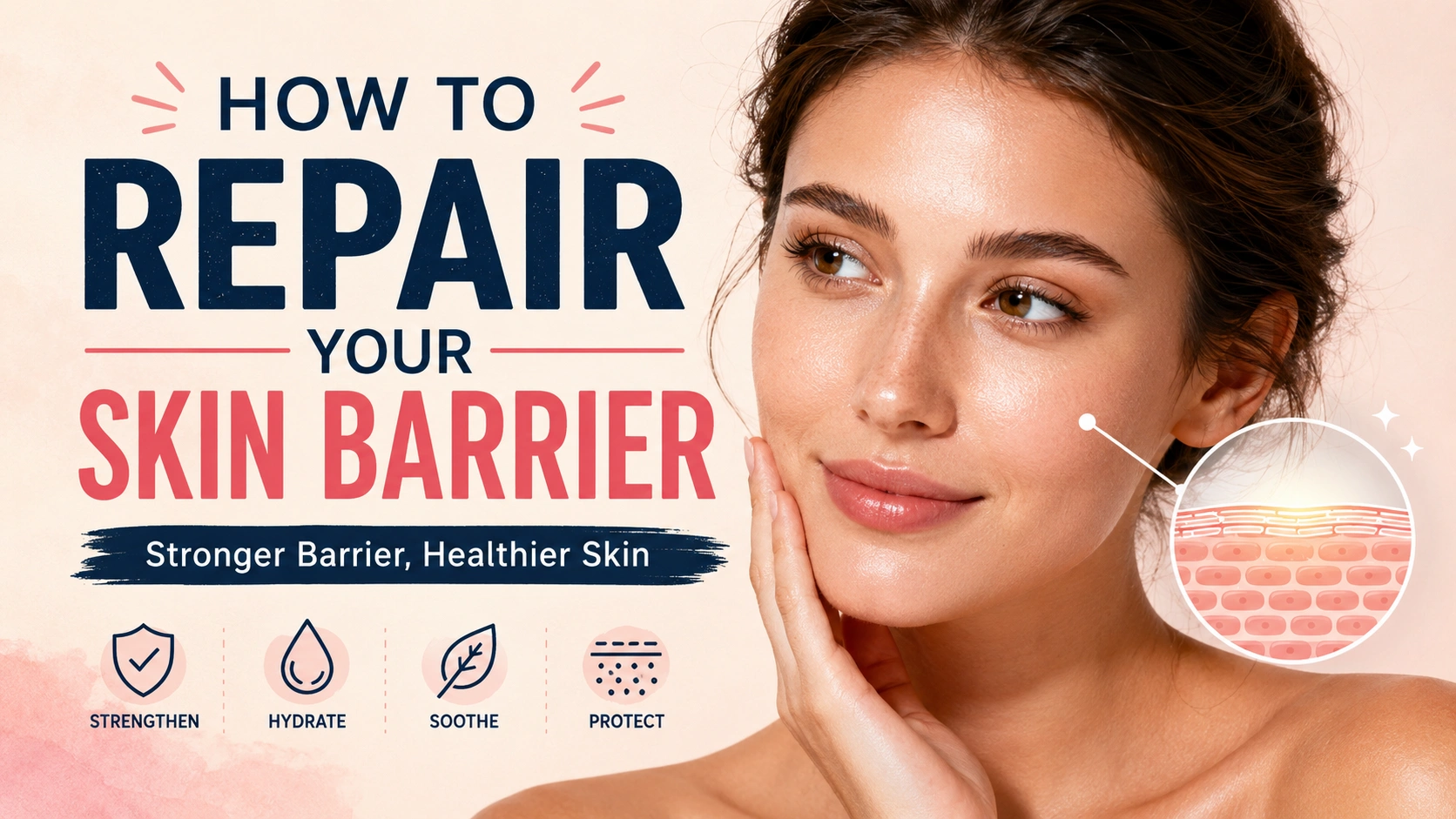
Your skin works around the clock to protect your body from pollution, bacteria, UV rays, and environmental stressors. At the center of this protection system is the skin barrier, often referred to as the body’s first line of defense. When this barrier is healthy, your skin feels smooth, hydrated, comfortable, and balanced. When it becomes damaged, even the best skincare products may struggle to deliver results.
In recent years, dermatologists and skincare experts have emphasized the importance of skin barrier health more than ever before. Many common skin concerns, including redness, irritation, dehydration, sensitivity, and even breakouts, can often be traced back to a compromised barrier.
Understanding How to repair your skin barrier is one of the most valuable steps you can take for long-term skin health. Whether your skin has been damaged by over-exfoliation, harsh active ingredients, environmental exposure, or an overly complicated skincare routine, recovery is possible with the right approach.
This comprehensive guide explains what the skin barrier is, what damages it, how to restore it effectively, and which skincare practices can help maintain its strength for years to come. Based on the uploaded content provided by you, this rewritten version presents the topic with a fresh structure and updated readability.
What Exactly Is the Skin Barrier?
The skin barrier is the outermost layer of your skin, scientifically known as the stratum corneum. Think of it as a protective wall made up of skin cells held together by lipids such as ceramides, cholesterol, and fatty acids.
This protective structure serves two critical functions. First, it prevents excessive water loss, helping your skin remain hydrated. Second, it blocks external irritants, pollutants, allergens, and harmful microorganisms from penetrating deeper layers of the skin.
When functioning properly, the barrier keeps the skin balanced and resilient. However, when disrupted, moisture escapes more easily while irritants gain easier access to the skin. This often results in dryness, redness, discomfort, and increased sensitivity.
Many people spend years treating symptoms without addressing the root cause. Learning How to repair your skin barrier allows you to focus on restoring the foundation of healthy skin rather than simply masking problems.
Why Skin Barrier Damage Has Become So Common
Modern skincare trends have made people more aware of active ingredients, but they have also increased the risk of overdoing treatments. Many individuals use multiple acids, retinoids, exfoliants, and acne products simultaneously without giving their skin enough time to recover.
Environmental factors also contribute significantly. Air pollution, excessive sun exposure, harsh weather conditions, low humidity, indoor heating, and even stress can gradually weaken the barrier.
Social media often encourages complex skincare routines involving ten or more products. While some ingredients offer benefits, excessive layering can overwhelm the skin and compromise its natural defense mechanisms.
This is why dermatologists frequently stress the importance of understanding How to repair your skin barrier before introducing stronger treatments into a skincare routine.
Signs That Your Skin Barrier Needs Help
A damaged barrier does not always appear dramatically overnight. Often, the warning signs develop gradually and become worse if ignored.
Common Symptoms of Barrier Damage
- Persistent dryness despite moisturizing
- Tightness after cleansing
- Redness and inflammation
- Flaking or rough texture
- Increased sensitivity
- Burning or stinging sensations
- Unexpected breakouts
- Excess oil production
- Itchy patches
- Difficulty tolerating skincare products
These symptoms indicate that your skin may be struggling to protect itself effectively. Recognizing these warning signs early can help prevent further damage and speed up recovery.
The Science Behind Barrier Recovery
One of the most encouraging facts about skin health is that the skin possesses remarkable regenerative abilities. Given the right conditions, it can repair itself over time.
The recovery process involves rebuilding lipids, restoring hydration levels, reducing inflammation, and strengthening cellular connections within the outer layer of the skin.
However, healing does not happen overnight. Depending on the severity of the damage, barrier restoration may take anywhere from a few weeks to several months. One of the best product La Roche-Posay Lipikar AP+ Gentle Foaming Moisturizing Wash helps cleanse the skin while maintaining essential moisture levels. Pairing gentle cleansing with nourishing body care supports overall skin comfort and barrier recovery.
Patience is essential. Many people searching for How to repair your skin barrier become frustrated because they expect immediate results. In reality, consistency and simplicity are often more effective than aggressive treatments.
The First Step: Simplify Your Routine
When dealing with barrier damage, less is often more.
One of the biggest mistakes people make is adding additional products in an attempt to solve irritation. This frequently creates more stress for already compromised skin.
Instead, focus on a minimal routine consisting of:
A gentle cleanser, a hydrating moisturizer, and a daily sunscreen.
Removing unnecessary products allows the skin to concentrate its energy on healing rather than constantly adapting to new ingredients.
This simple adjustment is often one of the fastest ways to begin seeing improvements when learning How to repair your skin barrier.
Choosing the Right Cleanser
Cleansing is essential, but many cleansers strip away the natural oils that help maintain barrier integrity.
Look for formulas that cleanse effectively without leaving the skin feeling tight or squeaky clean. Gentle, hydrating cleansers support recovery by removing impurities while preserving moisture.
Among popular LRP products, the La Roche-Posay Toleriane Hydrating Gentle Cleanser is frequently recommended for sensitive skin because it cleanses without disrupting the skin’s protective layer.
People researching How to repair your skin barrier on face often discover that simply switching to a gentler cleanser can dramatically reduce irritation.
Moisturization: The Foundation of Barrier Repair
Hydration plays a critical role in skin recovery. Without adequate moisture, the barrier struggles to function properly and becomes more vulnerable to external stressors.
Effective moisturizers work by attracting water into the skin and preventing moisture loss. Ingredients such as ceramides, glycerin, hyaluronic acid, niacinamide, and squalane are particularly beneficial during the recovery process.
La Roche-Posay Toleriane Double Repair Face Moisturizer remains one of the most recognized options among people looking for supportive barrier care.
Consistent moisturizing is one of the most important aspects of How to repair your skin barrier because it provides the environment necessary for healing.
Why Sun Protection Is Non-Negotiable
Many people underestimate the impact sunlight has on a damaged barrier. UV exposure increases inflammation, weakens skin defenses, and slows recovery.
Protecting the skin from the sun allows the healing process to proceed without additional stress.
Daily Sun Protection Essentials
- Apply sunscreen every morning
- Use broad-spectrum SPF protection
- Reapply during extended outdoor exposure
- Wear protective clothing when possible
- Avoid peak sun hours when practical
Products such as La Roche-Posay Anthelios sunscreen are often considered among the best lrp products for daily UV protection while maintaining skin comfort.
Without proper sun protection, even the most carefully designed barrier-repair routine may struggle to achieve lasting results.
Ingredients That Support Skin Barrier Recovery
Certain skincare ingredients have earned strong reputations because of their ability to strengthen and restore compromised skin.
Ceramides help rebuild the lipid matrix that holds skin cells together. Hyaluronic acid attracts moisture to the skin. Niacinamide supports barrier function while calming visible redness. Panthenol provides soothing benefits, while squalane helps replenish lost moisture.
La Roche LRP formulations frequently incorporate these ingredients because of their proven effectiveness in supporting sensitive and compromised skin.
When selecting products, focus on formulations that prioritize barrier health rather than aggressive exfoliation.
Choosing the right ingredients is a crucial component of How to repair your skin barrier successfully.
Lifestyle Factors That Influence Skin Health
Skincare products are important, but healthy skin is also influenced by daily habits.
Sleep is when much of the body’s repair and regeneration occurs. Chronic stress can increase inflammation and negatively affect skin function. Nutrition also plays an important role in maintaining healthy skin structure.
People often search for how to repair your skin barrier naturally, and many of the most effective strategies involve lifestyle adjustments rather than expensive products.
Drinking adequate water, eating foods rich in healthy fats, managing stress levels, and prioritizing quality sleep can all support skin healing from within.
Avoiding Common Recovery Mistakes
Barrier repair requires patience, yet many people unknowingly sabotage their progress.
Habits That Slow Recovery
- Continuing strong exfoliation
- Over-cleansing throughout the day
- Frequently changing products
- Using multiple active ingredients simultaneously
- Skipping moisturizer
- Neglecting sunscreen
- Picking or scratching irritated skin
- Using very hot water on the face
Avoiding these mistakes often leads to faster improvements and fewer setbacks during the healing process.
Many individuals searching how to repair your skin barrier fast discover that removing harmful habits is often more important than adding new products.
Acne and Barrier Repair: Finding the Balance
Acne treatment can become challenging because many acne-fighting ingredients are naturally drying.
Strong retinoids, benzoyl peroxide, and exfoliating acids can effectively reduce breakouts but may also contribute to irritation if overused.
This creates a situation where acne improves while overall skin health declines.
Understanding how to repair your skin barrier while treating acne requires balance. Instead of applying multiple acne treatments at once, focus on maintaining hydration and introducing active ingredients gradually.
A healthier barrier often improves acne outcomes because the skin can better regulate inflammation and heal blemishes more effectively.
Supporting barrier health does not mean abandoning acne treatment. It means using treatments strategically while prioritizing skin resilience.
How Long Does Barrier Repair Take?
The recovery timeline varies based on the severity of the damage.
Mild irritation may improve within several days of adopting a gentler routine. Moderate damage often requires several weeks. Severe cases involving chronic sensitivity or prolonged misuse of active ingredients may take months to fully recover.
The most important factor is consistency.
People researching How to repair your skin barrier often look for shortcuts, but the reality is that skin healing follows biological processes that require time.
Sticking to a simple routine consistently almost always delivers better results than frequently experimenting with new products.
Natural Approaches to Supporting Recovery
Many consumers prefer simpler skincare methods and wonder whether natural recovery is possible.
The answer is yes.
Those interested in how to repair your skin barrier on face naturally can support healing by reducing irritation, avoiding harsh ingredients, maintaining hydration, protecting the skin from the sun, and supporting overall health through proper nutrition and sleep.
Natural recovery does not necessarily mean avoiding skincare products altogether. Instead, it involves working with the skin’s natural repair mechanisms rather than overwhelming them.
The body possesses powerful regenerative abilities when provided with appropriate support.
Maintaining Long-Term Barrier Health
Repairing the skin barrier is only the beginning. Preventing future damage is equally important.
Long-Term Barrier Protection Tips
- Use gentle cleansers consistently
- Moisturize every day
- Wear sunscreen year-round
- Limit excessive exfoliation
- Introduce active ingredients gradually
- Prioritize hydration
- Maintain healthy sleep habits
- Manage stress effectively
Following these habits can significantly reduce future skin problems and improve overall skin resilience.
Many individuals who successfully learn How to repair your skin barrier find that maintaining these habits becomes easier than repeatedly recovering from damage.
When Professional Help Is Necessary
While many cases improve with proper skincare, some situations require professional guidance.
Persistent redness, severe irritation, chronic sensitivity, worsening breakouts, eczema flare-ups, or symptoms that fail to improve may indicate an underlying condition.
A dermatologist can identify specific triggers and recommend personalized treatment options based on your skin’s needs.
Seeking expert advice can prevent prolonged discomfort and help accelerate recovery when self-care measures are not enough.
Conclusion
Healthy skin begins with a healthy barrier. The outermost layer of your skin performs countless protective functions every day, making its condition one of the most important factors influencing overall skin health.
Learning How to repair your skin barrier is not about purchasing dozens of products or following complicated routines. It is about understanding what your skin needs to heal and creating an environment that supports recovery.
Whether your barrier has been damaged by over-exfoliation, environmental stress, aggressive acne treatments, or excessive experimentation with skincare products, improvement is possible. By focusing on gentle cleansing, consistent hydration, daily sun protection, and supportive lifestyle habits, you can rebuild stronger and healthier skin over time.
Most importantly, remember that healing takes patience. The individuals who achieve the best results with How to repair your skin barrier are those who remain consistent and allow their skin the time it needs to recover naturally.
A stronger barrier means healthier, more comfortable, and more resilient skin—not just today, but for years to come.