
FREE SHIPPING ON ORDERS OVER $70
Hyaluronic Acid

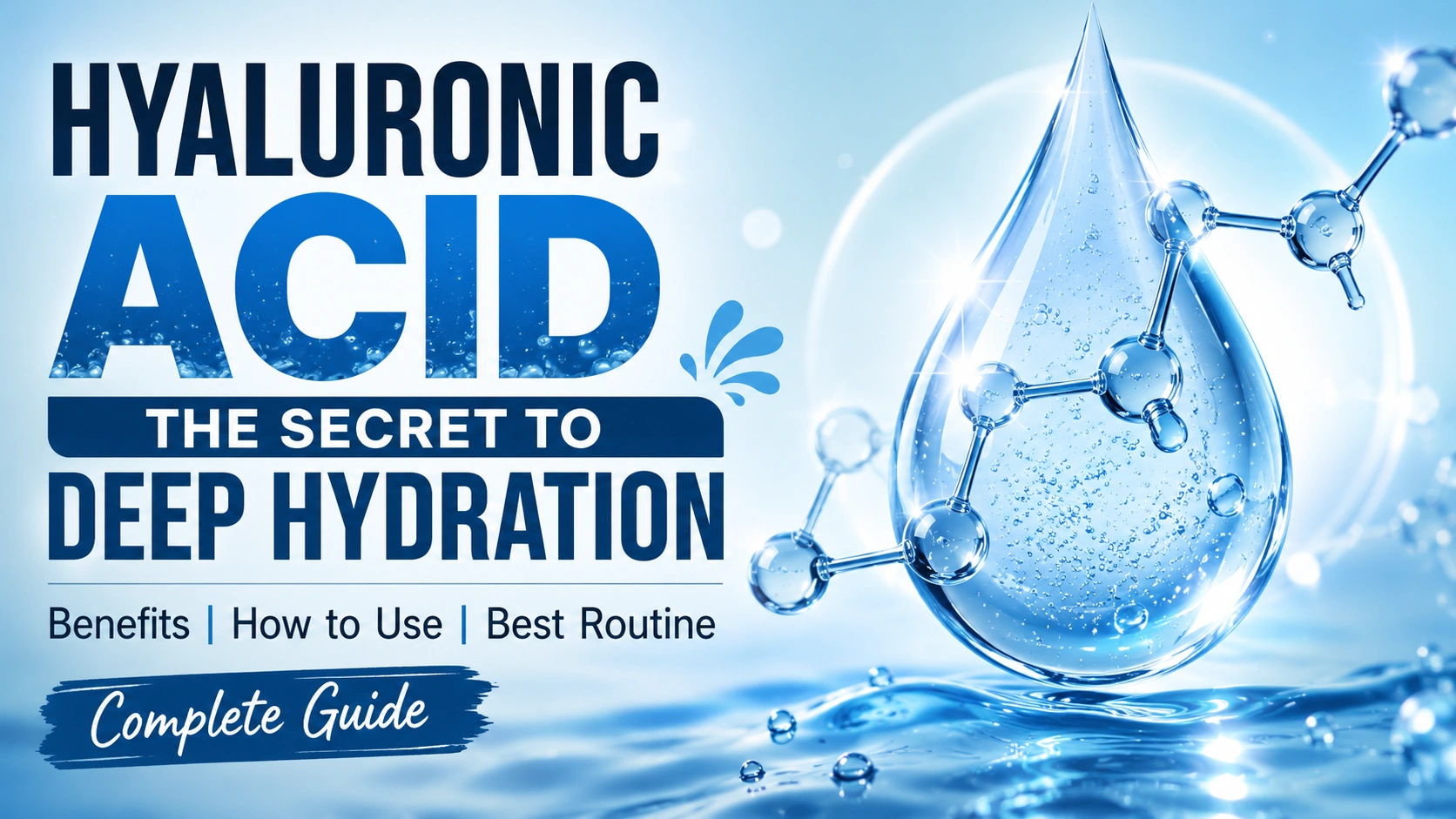
Hyaluronic Acid: The Ultimate Guide to Deep Skin Hydration

Healthy skin is not defined only by the products you apply but also by how well your skin retains moisture throughout the day. Many people invest in expensive cleansers, serums, and creams yet continue to experience dryness, tightness, or dullness because hydration is missing from their skincare routine. This is where Hyaluronic Acid becomes one of the most valuable skincare ingredients available today. Loved by dermatologists and beauty experts alike, it helps maintain moisture, supports the skin barrier, and creates a naturally fresh appearance suitable for every skin type.

Unlike ingredients that focus only on exfoliation or brightening, Hyaluronic Acid works by restoring the skin’s moisture balance. Whether you have dry, oily, combination, or sensitive skin, adding this hydration powerhouse to your daily routine can noticeably improve skin texture, comfort, and overall appearance. When used consistently, it helps your skin feel smoother, softer, and healthier without leaving behind a greasy finish.

Understanding What Hyaluronic Acid Really Is

Despite its name, Hyaluronic Acid is not a harsh acid that peels or irritates the skin. It is a naturally occurring substance already present inside the human body, particularly within the skin, joints, connective tissues, and eyes. Its primary responsibility is to attract and hold water, ensuring that tissues remain hydrated and properly lubricated.

One remarkable feature of this ingredient is its incredible ability to bind water molecules. It can retain a significant amount of moisture relative to its own weight, making it one of the most effective hydrating ingredients in modern skincare. As natural levels gradually decline with age, the skin begins to lose elasticity, moisture, and firmness. This reduction contributes to dryness, rough texture, and the appearance of fine lines over time.

Because of these changes, replenishing hydration externally becomes increasingly important. Incorporating products containing Hyaluronic Acid helps compensate for declining moisture levels while supporting healthier-looking skin every day.

Why Hydration Matters More Than You Think

Many skincare concerns actually begin with dehydration rather than permanent skin damage. Environmental pollution, ultraviolet rays, harsh weather, indoor air conditioning, stress, poor sleep, and aggressive cleansing products continuously strip moisture from the skin. When hydration drops, the skin barrier weakens, making irritation and dryness much more noticeable.

Hydrated skin performs better in nearly every aspect. It feels comfortable throughout the day, appears naturally brighter, and develops a smoother surface that reflects light more evenly. Proper hydration also helps other skincare ingredients absorb more effectively because a healthy moisture barrier functions more efficiently than dehydrated skin.

People often mistake oily skin for hydrated skin, but excess oil production does not necessarily indicate adequate moisture. Even oily or acne-prone complexions require hydration to maintain balance and reduce unnecessary stress on the skin barrier.

What Makes Hyaluronic Acid Different From Other Moisturizing Ingredients?

The skincare market offers countless hydrating products, yet Hyaluronic Acid remains one of the most trusted ingredients because of the way it delivers moisture without feeling heavy. Instead of simply coating the skin’s surface, it attracts water and helps retain it where the skin needs it most.

Traditional moisturizers mainly create a protective layer that reduces moisture loss, while hydrating ingredients actively replenish water content. This unique function allows lightweight serums and gels to provide long-lasting comfort without clogging pores or creating an oily finish.

Another reason this ingredient stands out is its remarkable compatibility with different skin types. Whether someone experiences acne, sensitivity, combination skin, or mature skin concerns, hydration remains essential. Properly formulated products containing Hyaluronic Acid can easily become part of almost any skincare routine without causing unnecessary irritation.

How Hyaluronic Acid Improves Skin Every Day

Consistent hydration creates visible improvements that go beyond simply relieving dryness. As moisture levels become balanced, skin starts feeling softer after cleansing, makeup applies more smoothly, and rough patches gradually become less noticeable. Improved hydration also supports elasticity, giving the complexion a naturally refreshed appearance.

People frequently notice that their skin feels less tight during seasonal weather changes or after spending time in air-conditioned environments. Rather than temporarily masking dryness, Hyaluronic Acid helps support the skin’s natural ability to retain moisture throughout the day.

The benefits become even greater when hydration is maintained consistently instead of only treating dryness after it appears. Like many skincare ingredients, long-term results depend on regular use rather than occasional application.

Major Benefits of Hyaluronic Acid for Healthy Skin

Among modern skincare ingredients, Hyaluronic Acid continues to earn widespread recognition because of its versatility and effectiveness.

Key benefits include:

  • Delivers long-lasting hydration to the skin.
  • Helps improve softness and smooth texture.
  • Supports the skin’s natural protective barrier.
  • Reduces the appearance of dehydration lines.
  • Makes skin look naturally plumper.
  • Suitable for dry, oily, combination, and sensitive skin.
  • Works well alongside most skincare ingredients.
  • Leaves the skin feeling refreshed without heaviness.

These advantages become even more noticeable when combined with a balanced skincare routine that includes gentle cleansing, moisturizing, and daily sunscreen application.


Supporting Your Skin Barrier with Hyaluronic Acid

Healthy skin depends on a strong protective barrier that keeps moisture inside while defending against pollution, irritants, and changing weather conditions. When this barrier becomes weak, the skin loses water more quickly and becomes rough, flaky, and uncomfortable. Daily exposure to sunlight, dust, wind, and harsh skincare products can slowly damage this natural shield.

This is where Hyaluronic Acid becomes an important part of a skincare routine. By helping the skin maintain optimal hydration, it supports the protective barrier and reduces excessive moisture loss. A stronger barrier also allows the skin to recover more effectively from everyday environmental stress while improving overall comfort.

People with sensitive skin often experience redness or tightness because their skin barrier has been compromised. Proper hydration helps calm these concerns and encourages healthier-looking skin over time. Instead of simply hiding dryness, hydration addresses one of the underlying causes behind many common skincare complaints.

Is Hyaluronic Acid Safe for Daily Use?

One of the biggest reasons skincare professionals recommend Hyaluronic Acid is its excellent safety profile. Since it naturally exists within the body, it is generally well tolerated by most individuals regardless of age or skin type. Unlike strong exfoliating acids, it focuses on hydration rather than removing skin cells.

Using hydrating products both morning and evening helps maintain consistent moisture levels throughout the day. Instead of allowing skin to become dehydrated and then attempting to repair it, regular application keeps hydration balanced before dryness develops.

Most dermatologists recommend applying hydrating products immediately after cleansing because slightly damp skin allows moisture-binding ingredients to work more effectively. Following with a moisturizer helps seal hydration into the skin for longer-lasting results.

Choosing the Right Formula for Your Skin

Not every skincare product has the same texture or purpose. Fortunately, hydrating products are available in different formulations so users can choose one that best matches their individual skin needs.

Popular options include:

  • Lightweight serums for daily hydration.
  • Gel-based formulas for oily and acne-prone skin.
  • Nourishing creams for dry skin.
  • Rich moisturizers for mature complexions.
  • Fragrance-free products for sensitive skin.
  • Multi-molecular formulas that hydrate different skin layers.

Selecting a product based on your skin type is often more beneficial than choosing the highest concentration available. A well-balanced formulation usually delivers better long-term results than an overly concentrated product that does not suit your complexion.

How to Apply Hyaluronic Acid Correctly

Even the best skincare ingredient performs better when applied properly. Begin by cleansing your face with a gentle cleanser to remove dirt, oil, and impurities without stripping away natural moisture. Avoid using extremely hot water because excessive heat can contribute to dehydration.

After cleansing, lightly pat your skin so it remains slightly damp rather than completely dry. This creates an ideal environment for Hyaluronic Acid to attract and retain available moisture. Gently spread a few drops across the face and neck using upward motions without rubbing aggressively.

Once the hydrating serum has absorbed, apply a moisturizer to lock hydration into the skin. During the daytime, always finish your routine with sunscreen to protect the skin from ultraviolet damage, which can reduce moisture levels and accelerate visible aging.

Consistency is far more important than using excessive amounts. Applying a moderate quantity twice daily generally provides better long-term hydration than applying large amounts occasionally.

Ingredients That Work Well Together

Modern skincare routines often combine multiple ingredients to address different concerns at once. Fortunately, Hyaluronic Acid pairs exceptionally well with many popular skincare actives because its primary role is hydration rather than exfoliation.

Vitamin C is commonly used to brighten dull skin and provide antioxidant protection against environmental damage. When paired with hydration, the complexion often appears smoother and healthier because moisture improves overall skin comfort.

Niacinamide is another ingredient frequently combined with hydrating products. It helps strengthen the skin barrier while improving the appearance of enlarged pores and uneven skin tone. Together, these ingredients create a balanced skincare routine suitable for many different skin concerns.

Retinol users also benefit from additional hydration because moisturizing ingredients help reduce the dryness sometimes associated with vitamin A derivatives. Likewise, ceramides complement hydration by reinforcing the protective skin barrier and minimizing water loss.

Many skincare enthusiasts include Vichy Mineral 89 Hyaluronic Acid Serum as the first hydrating step after cleansing. Its lightweight texture layers comfortably beneath antioxidant serums, moisturizers, and sunscreen without making the skin feel heavy.

Common Skin Concerns Improved Through Better Hydration

Many visible skin problems become less noticeable when hydration levels improve. Although hydration cannot permanently erase wrinkles or scars, it can significantly improve how the skin looks and feels every day.

Skin that receives adequate moisture generally appears smoother, healthier, and more radiant. Rough texture gradually softens, makeup sits more evenly, and fine dehydration lines become less noticeable. Balanced hydration also helps reduce the tight feeling many people experience immediately after washing their face.

Changing weather conditions often make these concerns worse. Cold winter air, dry indoor heating, and prolonged air-conditioning all contribute to moisture loss. A consistent hydration routine helps the skin adapt more comfortably throughout seasonal changes.

Who Can Benefit Most?

One of the greatest strengths of Hyaluronic Acid is its universal appeal. Teenagers beginning their skincare journey, adults exposed to pollution and workplace stress, and mature individuals experiencing age-related moisture loss can all benefit from regular hydration.

People living in busy urban environments often expose their skin to dust, pollution, and changing temperatures every day. Others spend long hours inside air-conditioned offices where moisture quickly evaporates from the skin’s surface. In both situations, maintaining hydration supports healthier skin and improves overall comfort.

Individuals with dry skin may notice immediate relief from tightness, while oily skin types often discover that balanced hydration helps the complexion feel less stressed without increasing excess shine. Because of its lightweight nature, this ingredient fits comfortably into almost every skincare routine regardless of age or skin condition.

Hyaluronic Acid vs Vitamin C: Which One Should You Choose?

A common question among skincare beginners is whether Hyaluronic Acid or Vitamin C is the better ingredient. The truth is that both serve completely different purposes, making them complementary rather than competitive. Choosing only one often means missing out on the unique benefits each ingredient provides.

Vitamin C is primarily known for brightening dull skin, supporting collagen production, and protecting against environmental damage caused by free radicals. It helps improve uneven skin tone and promotes a more radiant complexion over time. On the other hand, Hyaluronic Acid focuses on maintaining hydration by attracting moisture to the skin and helping it stay soft, smooth, and comfortable throughout the day.

When these ingredients are used together, they create a balanced routine that targets multiple skincare concerns simultaneously. Most dermatologists recommend applying Vitamin C after cleansing, followed by a hydrating serum, moisturizer, and sunscreen during the daytime. This layering method provides antioxidant protection while ensuring the skin remains hydrated from morning until night.

Instead of wondering which ingredient is superior, it is often more beneficial to understand how they work together. Brightening without hydration may leave the skin feeling dry, while hydration alone may not address uneven tone or environmental damage. Combining both ingredients often produces healthier and more radiant-looking skin over time.

Can You Leave Hyaluronic Acid on Your Face?

Many people new to skincare assume that all active ingredients should be washed away after a few minutes. However, Hyaluronic Acid is designed as a leave-on ingredient and should remain on the skin after application. It continues working throughout the day or night by helping the skin maintain optimal moisture levels.

For best results, apply it to slightly damp skin immediately after cleansing. The available moisture allows the ingredient to bind water more effectively before a moisturizer seals everything into place. Rinsing it away would prevent it from delivering its intended hydration benefits.

Another advantage is its lightweight texture. Unlike heavy creams that can sometimes feel greasy, hydrating serums absorb quickly and layer comfortably beneath sunscreen, makeup, or nighttime skincare products. Most users can apply it twice daily without experiencing pore congestion or excessive shine.

Does Hyaluronic Acid Whiten the Skin?

One of the biggest misconceptions surrounding skincare is that hydration automatically changes skin color. Hyaluronic Acid does not bleach, lighten, or alter your natural complexion. Instead, it improves the skin’s moisture balance, making it appear healthier, fresher, and naturally more radiant.

Dehydrated skin often looks dull because rough, dry cells scatter light unevenly. Once hydration improves, the skin reflects light more effectively, creating the appearance of brightness and a healthy glow. This enhanced radiance is sometimes mistaken for whitening, but the ingredient simply helps the skin function at its best.

People seeking a brighter complexion usually benefit from combining hydration with sunscreen and ingredients such as Vitamin C or niacinamide. Together, these products address dullness while keeping the skin healthy and protected against environmental stressors.

How to Choose the Best Hyaluronic Acid Product

Not every skincare product delivers the same results. Formulation quality, supporting ingredients, and compatibility with your skin type all play an important role in determining effectiveness. Rather than purchasing the product with the highest advertised concentration, focus on selecting a balanced formula that suits your skincare needs.

When shopping for a hydrating serum or moisturizer, consider the following factors:

  • Look for multiple molecular weights for layered hydration.
  • Choose fragrance-free formulas if your skin is sensitive.
  • Select products containing ceramides for barrier support.
  • Pick non-comedogenic formulas if you have acne-prone skin.
  • Buy from reputable brands with transparent ingredient lists.
  • Match the product texture to your skin type and climate.

A carefully selected product often performs better than one chosen solely because of marketing claims. Consistency and proper application usually have a greater impact than concentration alone.

Are There Any Side Effects?

One reason dermatologists frequently recommend Hyaluronic Acid is because adverse reactions are relatively uncommon. Since the ingredient naturally exists within the body, most people tolerate it very well. However, like any skincare product, reactions may occasionally occur depending on the complete formulation rather than the hydrating ingredient itself.

Fragrances, preservatives, or other active ingredients included in a product are often responsible for irritation rather than the hydrating ingredient. Individuals with particularly sensitive skin should always perform a patch test before incorporating any new skincare product into their routine.

Possible reactions may include mild redness, temporary tightness if applied without moisturizer, or slight irritation on damaged skin. These concerns are generally uncommon and often improve by selecting a gentler formulation or adjusting application techniques.

More Than Just Hydration

Although hydration is its most recognized benefit, Hyaluronic Acid contributes to healthier skin in several additional ways. Well-hydrated skin feels more comfortable throughout the day, develops a smoother surface, and supports a stronger protective barrier against environmental stress.

As hydration improves, the complexion often becomes softer and more resilient. Fine dehydration lines appear less noticeable, rough areas gradually smooth out, and makeup applies with a more even finish. These improvements may seem subtle initially, but consistent use over several weeks often produces noticeable changes in both texture and overall appearance.

Many users also appreciate that hydrated skin feels less irritated after cleansing or exposure to changing weather conditions. Maintaining moisture consistently helps the skin remain balanced instead of constantly recovering from repeated dehydration.

Why Moisturizers Are Still Essential

One of the most common skincare myths is that a hydrating serum can completely replace a moisturizer. While Hyaluronic Acid attracts and binds moisture to the skin, it does not create a protective seal strong enough to prevent water from evaporating throughout the day. This is why a moisturizer remains an essential step in every skincare routine.

Think of hydration and moisturizing as a team. The hydrating serum provides moisture, while the moisturizer locks it into the skin. Without this protective layer, the water attracted by the serum may gradually escape, especially in dry climates or air-conditioned environments.

People with oily skin sometimes skip moisturizers because they fear additional shine. However, lightweight gel or lotion-based moisturizers can effectively seal hydration without making the skin greasy. Dry and mature skin types may benefit from richer creams that provide longer-lasting nourishment.

For evening routines, many skincare professionals recommend CeraVe Skin Renewing Night Cream after applying a hydrating serum. Its barrier-supporting ingredients work overnight to reduce moisture loss while helping the skin recover from daily environmental stress. This combination allows users to wake up with skin that feels softer, smoother, and better hydrated.

Building a Complete Daily Skincare Routine

Healthy skin is rarely the result of using a single product. Instead, it develops through a balanced routine that consistently addresses cleansing, hydration, protection, and nourishment. Hyaluronic Acid works best when it becomes one step within a complete skincare regimen rather than serving as the only treatment.

A simple morning routine may include a gentle cleanser followed by a hydrating serum, moisturizer, and sunscreen. This sequence keeps the skin hydrated while protecting it from ultraviolet rays, pollution, and daily environmental damage.

At night, remove makeup and impurities with a mild cleanser before applying your hydrating serum. Follow with a nourishing moisturizer to support overnight repair while the skin naturally regenerates during sleep. Consistency is far more valuable than using numerous products irregularly.

Patience is equally important. While many people notice softer skin within a few days, lasting improvements in texture and comfort generally develop through regular use over several weeks.

Professional Tips for Better Results

Small adjustments in your daily routine can significantly improve the effectiveness of hydrating skincare products. Rather than purchasing additional products, focus on building healthy skincare habits that support your skin every day.

Follow these expert recommendations:

  • Apply skincare immediately after cleansing while the skin remains slightly damp.
  • Always use a moisturizer after your hydrating serum.
  • Wear broad-spectrum sunscreen every morning.
  • Drink enough water throughout the day to support overall hydration.
  • Avoid excessively hot water when washing your face.
  • Store skincare products in a cool, dry place away from direct sunlight.
  • Introduce new products gradually instead of changing your entire routine at once.
  • Stay consistent with morning and evening application.

These simple habits often produce greater long-term improvements than constantly switching between trending skincare products.

Common Myths About Hyaluronic Acid

Despite becoming one of the most popular skincare ingredients worldwide, several myths continue to create confusion among consumers. Understanding the facts helps you make better skincare decisions based on science rather than misinformation.

One common misconception is that only dry skin requires hydration. In reality, oily skin also needs adequate moisture. When oily skin becomes dehydrated, it may actually produce more oil in an attempt to compensate for moisture loss. Maintaining proper hydration helps the skin remain balanced and comfortable.

Another myth suggests that higher concentrations always deliver better results. In practice, overall formulation quality, supporting ingredients, and consistent application usually matter much more than concentration alone.

Some people also believe that hydrating products cause acne. Properly formulated Hyaluronic Acid serums are lightweight and non-comedogenic, meaning they generally do not clog pores when used correctly. This makes them suitable even for many acne-prone skin types.

Finally, many individuals assume hydration can permanently erase wrinkles. Although proper moisture makes fine dehydration lines appear less visible, deeper expression lines require a broader skincare approach that may include ingredients supporting collagen production, sun protection, and healthy lifestyle habits.

Frequently Asked Questions

People beginning a skincare routine often have similar concerns about using Hyaluronic Acid. Here are answers to some of the most common questions.

Can sensitive skin use it?
Yes. Most properly formulated products are gentle enough for sensitive skin, although a patch test is always recommended before introducing any new product.

Can teenagers include it in their routine?
Absolutely. Hydration is beneficial for all ages and helps maintain a healthy skin barrier from an early stage.

Should it be used throughout the year?
Yes. Every season places different demands on the skin, making consistent hydration important regardless of climate.

Can it replace a moisturizer?
No. A moisturizer is still needed to lock hydration into the skin and reduce water loss.

Does it work well under sunscreen?
Yes. It layers comfortably beneath sunscreen and makeup without creating a heavy or sticky feeling.

How long before visible improvements appear?
Many users notice softer, more comfortable skin within several days, while smoother texture and improved radiance usually become more noticeable after a few weeks of consistent application.

Final Thoughts

Healthy skin begins with maintaining proper moisture, and Hyaluronic Acid continues to be one of the most dependable ingredients for achieving that goal. Its ability to support hydration, strengthen the skin barrier, improve texture, and enhance overall comfort makes it suitable for almost every skincare routine regardless of age or skin type.

Whether your goal is reducing dryness, improving smoothness, or simply maintaining a healthy complexion, consistency remains the key to long-term success. Regular hydration, combined with gentle cleansing, a quality moisturizer, and daily sunscreen, provides the foundation for healthier-looking skin that feels comfortable throughout the year.

For those looking to upgrade their skincare routine, products such as La Roche-Posay Hyalu B5 Serum offer an excellent way to incorporate advanced hydration into daily care. Alongside Vichy Mineral 89 Hyaluronic Acid Serum and CeraVe Skin Renewing Night Cream, these products can help create a well-rounded routine that supports healthier, softer, and naturally radiant skin.

With realistic expectations and regular use, hydration becomes more than just another skincare step—it becomes the foundation of lasting skin health. When your skin receives the moisture it truly needs, it rewards you with improved resilience, enhanced comfort, and a naturally glowing appearance that reflects consistent care rather than temporary results.

Leave a Reply

Shopping cart

0
image/svg+xml

No products in the cart.

Continue Shopping