
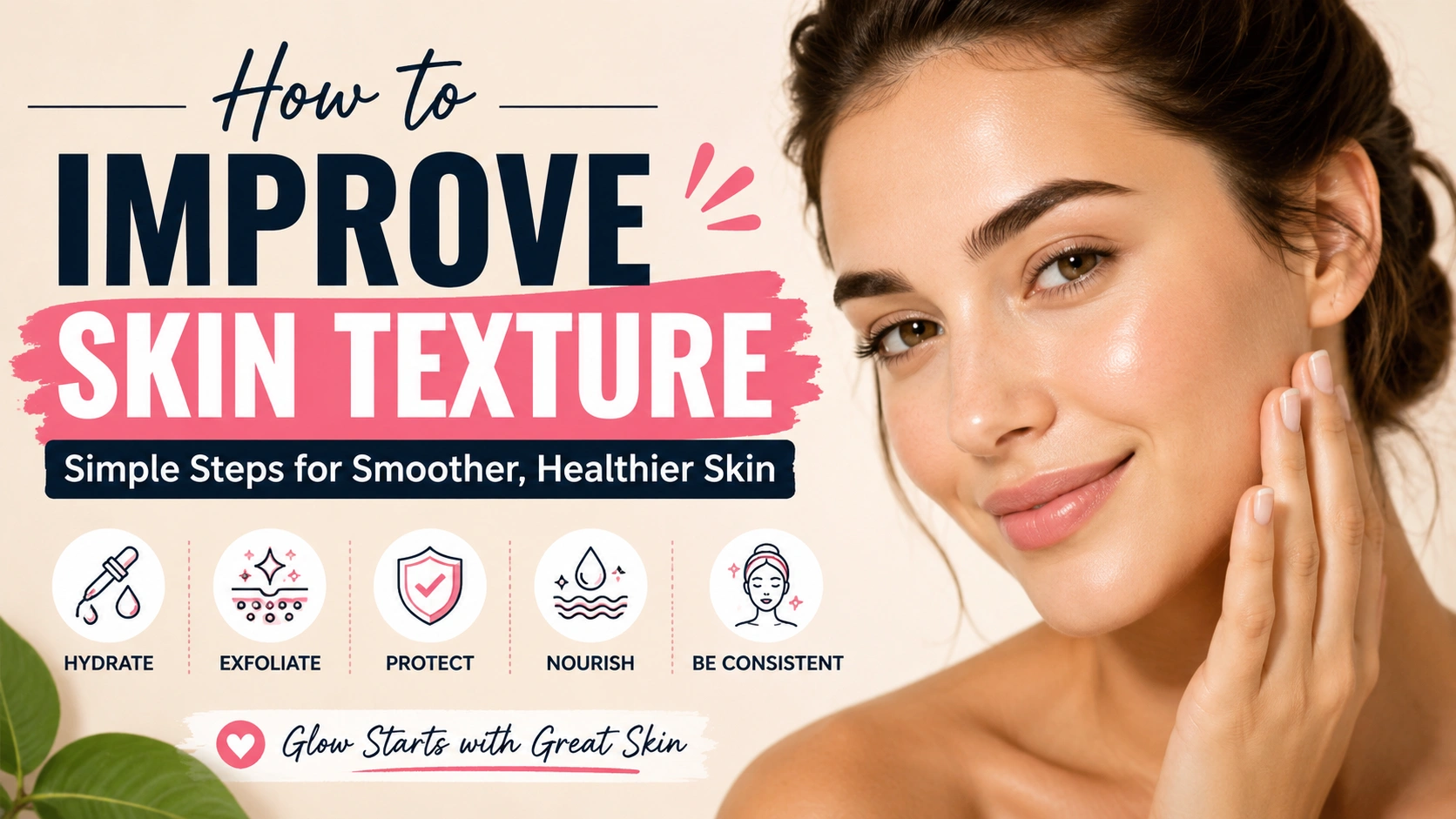
Smooth, soft, and glowing skin is often considered a sign of good skin health. Yet, many people struggle with rough patches, enlarged pores, dryness, acne marks, and unevenness that affect the overall appearance of their complexion. Learning How to improve skin texture is not about achieving perfect skin overnight. Instead, it involves building habits that support the skin’s natural ability to renew and protect itself.
The surface of the skin constantly changes. Environmental stress, age, dehydration, and daily lifestyle choices can influence how smooth or rough it appears. Although texture concerns are common, they are not permanent. With patience and a proper skincare routine, the skin can gradually become softer, healthier, and more refined.
Why Skin Texture Changes Over Time
Skin texture refers to how the skin feels and appears on the surface. Healthy skin generally looks even and reflects light uniformly, creating a naturally radiant appearance. However, several internal and external factors may interfere with this balance.
Throughout life, the skin continuously replaces old cells with new ones. When this renewal process slows down, dead cells accumulate and roughness becomes more noticeable. At the same time, environmental exposure and natural aging contribute to dehydration and reduced elasticity.
Factors that influence skin texture include:
- Aging and slower cell turnover
- Excessive sun exposure
- Pollution and environmental stress
- Dehydration
- Acne and post-blemish scars
- Poor skincare habits
- Compromised skin barrier function
Because these influences act gradually, texture issues often develop over months or years rather than appearing suddenly.
Many people ask, Can skin texture be improved? Fortunately, the answer is yes. While genetics influence certain characteristics, daily skincare practices and healthy lifestyle choices can significantly improve the appearance and feel of the skin over time.
What Causes Uneven Skin Texture?
Before exploring solutions, it is helpful to understand what contributes to rough or bumpy skin. Identifying the underlying reasons allows you to approach skincare more effectively.
Dead Skin Cell Build-Up
The skin naturally sheds old cells, but this process may become less efficient with age or environmental stress. When dead cells remain on the surface, the complexion can appear dull and uneven.
Lack of Moisture
Hydration is essential for maintaining softness. Without enough moisture, the skin barrier weakens, making roughness and flakiness more visible.
Sun Exposure
Ultraviolet rays are among the biggest contributors to premature skin aging. Over time, they can affect collagen production and create an uneven surface.
Acne and Residual Marks
Repeated breakouts often leave scars and enlarged pores that disrupt the smoothness of the skin.
Aging
As collagen production declines and cell renewal slows, fine lines and rough patches become more prominent.
Early Signs That Your Skin Texture Needs Attention
Texture concerns do not always appear dramatically. In many cases, subtle changes indicate that the skin needs additional care.
Some common signs include:
- Persistent Roughness: Even after cleansing, the skin may feel uneven or coarse when touched.
- Visible Dry Areas: Flaky patches and tightness often suggest inadequate hydration.
- Enlarged Pores: Prominent pores can create an uneven appearance and make texture concerns more noticeable.
- Lack of Radiance: Skin that appears dull and tired may indicate dead cell accumulation.
- Makeup Application Problems: Foundation and concealer may settle into dry patches rather than blending smoothly.
- Acne Scars and Bumps: Residual marks left behind after breakouts can affect the overall smoothness of the complexion.
Recognizing these changes early allows you to introduce supportive skincare habits before the issues become more severe.
Cleansing Habits That Support Healthier Skin
One of the most underestimated aspects of How to improve skin texture is cleansing correctly. Many individuals unknowingly damage their skin barrier by using harsh cleansers or washing too frequently.
Proper cleansing removes impurities without stripping away essential moisture. A balanced approach helps maintain the skin’s protective barrier and creates an ideal environment for healthy renewal.
Gentle Cleansing Benefits
- Removes dirt and environmental pollutants.
- Supports balanced oil production.
- Helps maintain skin comfort.
- Prepares the skin for moisturizers and treatments.
- Promotes a fresher and healthier appearance.
For individuals dealing with dryness or sensitivity, La Roche-Posay Toleriane Hydrating Gentle Cleanser offers a gentle approach that cleans without leaving the skin feeling tight.
Those who prefer a foaming texture may find La Roche-Posay Lipikar AP+ Gentle Foaming Moisturizing Wash suitable for maintaining cleanliness while preserving hydration.
Consistency is more important than aggressive cleansing. Over-cleansing may actually worsen texture concerns by weakening the skin barrier.
Why Hydration Plays a Major Role in Smoother Skin
Among all skincare principles, hydration remains one of the most important. Moisture supports elasticity, softness, and overall skin resilience. When the skin becomes dehydrated, roughness becomes easier to notice.
Hydrated skin appears healthier because it reflects light more evenly and maintains greater flexibility. In contrast, dehydrated skin often develops fine lines, dryness, and an uneven texture.
Benefits of Proper Hydration
- Improves softness and smoothness.
- Supports the skin barrier.
- Reduces visible roughness.
- Helps maintain natural radiance.
- Minimizes dehydration lines.
- Enhances overall comfort.
Hydration should not be viewed as an optional step. Instead, it forms the foundation upon which all other skincare efforts depend.
Selecting the Right Moisturizer for Texture Concerns
Moisturizers do much more than simply add water to the skin. They help lock in hydration and create an environment where the skin can repair itself more efficiently. Choosing the right formula depends on individual skin needs.
Lightweight Hydration
Individuals with oily or combination skin often prefer products that provide moisture without feeling heavy. La Roche-Posay Toleriane Double Repair Matte Face Moisturizer offers hydration while helping control excess shine.
Daily Barrier Support
For balanced moisture and skin barrier reinforcement, La Roche-Posay Toleriane Double Repair Face Moisturizer supports healthy-looking skin through consistent hydration.
Moisture with Sun Protection
People seeking a multitasking daytime moisturizer may benefit from La Roche-Posay Toleriane Double Repair Face Moisturizer SPF 30, which combines hydration with daily sun defense.
Using a moisturizer consistently often leads to gradual improvements in skin texture and comfort.
Essential Ingredients to Improve Skin Texture
Understanding Ingredients to improve skin texture allows you to make more informed skincare decisions. Rather than relying on trends, focusing on beneficial ingredients can help address roughness and unevenness more effectively.
Hydrating Ingredients
Ingredients that attract and retain water are essential for maintaining softness. Adequately hydrated skin tends to appear smoother and healthier.
Barrier-Supporting Components
Strong barrier function protects the skin from moisture loss and environmental stress. Supporting this barrier is essential for long-term texture improvement.
Gentle Exfoliating Ingredients
These ingredients encourage the natural removal of dead skin cells, revealing fresher skin underneath and promoting a more refined appearance.
Soothing Components
Calming ingredients help minimize irritation and redness, creating a healthier environment for skin renewal.
Building Results Through Patience
Many people searching for How to improve skin texture expect immediate transformations. In reality, visible improvements take time. The skin follows natural renewal cycles, meaning changes usually occur gradually.
Instead of constantly switching products, maintaining a simple and consistent routine often produces better results. Healthy skin develops through daily habits rather than quick fixes.
Small improvements accumulate over weeks and months. As hydration improves and the skin barrier becomes stronger, the complexion gradually appears smoother, brighter, and more balanced.
The journey toward better skin is not about perfection. It is about creating the conditions that allow your skin to function at its best and maintain its natural beauty over time.
How to Improve Skin Texture on Face Through Consistency
When discussing How to improve skin texture on face, consistency matters far more than using dozens of products. Skin does not transform overnight. Every healthy habit contributes gradually to a smoother and more refined appearance.
The skin naturally renews itself through cycles that typically take several weeks. Because of this process, noticeable improvements often require patience. People who maintain a steady routine generally experience better long-term results compared to those who constantly change products or chase quick fixes.
Simple routines are often the most effective. Cleansing, moisturizing, and protecting the skin every day creates an environment that supports healthy renewal and allows beneficial ingredients to work properly.
Over time, these small efforts add up and help improve overall texture, softness, and radiance.
Strengthening the Skin Barrier for Long-Term Benefits
The skin barrier acts as the body’s first line of defense. It helps retain moisture while protecting against external irritants. When this barrier becomes weakened, the skin may appear rough, sensitive, and dehydrated.
Supporting barrier health is one of the most important aspects of texture improvement. Rather than focusing only on active ingredients, maintaining a strong protective barrier allows the skin to repair itself more efficiently.
For individuals experiencing dryness and discomfort, La Roche-Posay Lipikar Balm AP+ Body Cream provides intense hydration and supports long-lasting moisture retention.
Another product often appreciated for its soothing properties is La Roche-Posay Cicaplast Baume B5 Creme, which helps comfort stressed skin and encourages a healthier-looking surface.
Healthy skin barriers often result in:
- Improved softness.
- Better moisture retention.
- Reduced sensitivity.
- Enhanced resilience.
- Smoother and more balanced skin.
Protecting the barrier today can contribute to healthier skin for years to come.
Everyday Habits That Influence Skin Texture
Skincare products are important, but lifestyle choices also play a major role in determining how skin looks and feels. Internal health often reflects externally, making healthy habits an essential part of any skincare journey.
Important Lifestyle Practices
- Drink sufficient water throughout the day.
- Get adequate sleep to support overnight repair.
- Include antioxidant-rich foods in your diet.
- Exercise regularly to improve circulation.
- Avoid smoking whenever possible.
- Limit excessive alcohol consumption.
- Manage stress through healthy routines.
These habits support the body’s natural processes and complement a good skincare regimen.
The Importance of Exfoliation for Smoother Skin
Dead skin cells naturally accumulate on the surface of the skin. If not removed efficiently, they can contribute to roughness and dullness. Exfoliation helps reveal fresher skin underneath and supports a brighter appearance.
However, balance is essential. Excessive exfoliation can weaken the skin barrier and create irritation. A gentle and controlled approach is generally more beneficial than aggressive treatments.
Physical Exfoliation
Physical exfoliation involves manually removing dead cells through scrubs or tools. While immediate smoothness may be noticeable, excessive scrubbing can sometimes irritate sensitive skin.
Chemical Exfoliation
Chemical exfoliants dissolve the bonds between dead cells, encouraging a more even shedding process. They are commonly used to address persistent texture concerns and promote skin renewal.
How Often Should You Exfoliate?
Most people benefit from exfoliating one to three times per week. The ideal frequency depends on individual skin type and tolerance.
Signs that exfoliation may be excessive include:
- Redness.
- Tightness.
- Burning sensations.
- Increased dryness.
- Sensitivity.
Listening to your skin and adjusting accordingly helps maintain a healthy balance.
Why Sun Protection Matters More Than You Think
Many individuals spend time and money on skincare products while overlooking sunscreen. Unfortunately, ultraviolet exposure remains one of the biggest contributors to rough texture and premature aging.
Sun damage affects collagen production and can make pigmentation, fine lines, and uneven texture more noticeable. Without daily protection, many skincare efforts may produce limited results.
Benefits of Daily Sun Protection
- Helps minimize premature aging.
- Supports collagen preservation.
- Protects against environmental stress.
- Helps maintain an even complexion.
- Preserves the benefits of your skincare routine.
For reliable daily protection, La Roche-Posay Anthelios Dry Touch SPF 60 Sunscreen provides high-level defense while maintaining a comfortable finish suitable for regular use.
Consistent sunscreen application is one of the simplest ways to support long-term skin health.
How Nutrition Affects Skin Appearance
Healthy skin starts from within. The nutrients consumed every day influence the body’s ability to repair and maintain the skin.
A balanced diet provides vitamins, minerals, and antioxidants that support cellular renewal and protect against oxidative stress. Deficiencies may contribute to dryness, dullness, and reduced resilience.
Foods that contribute to healthier skin include:
- Fresh fruits and vegetables.
- Nuts and seeds.
- Healthy fats.
- Lean protein sources.
- Whole grains.
Protein is especially important because it supports collagen production and helps maintain skin firmness and elasticity.
Although diet alone cannot solve texture concerns, it plays an important supporting role alongside skincare.
Professional Treatments That May Support Texture Improvement
Home skincare routines provide the foundation for healthy skin, but some individuals with persistent texture concerns may choose professional treatments for additional support.
Modern dermatology offers several procedures designed to address unevenness, enlarged pores, and acne-related irregularities.
Popular options include:
Chemical Peels
These treatments encourage skin renewal and help improve surface smoothness.
Microdermabrasion
This procedure removes dead skin cells and promotes a brighter complexion.
Microneedling
Microneedling stimulates collagen production and may improve acne scars and uneven texture.
Laser Resurfacing
Laser-based procedures target deeper concerns and support skin regeneration.
Professional Facials
Customized treatments can complement a regular skincare routine and enhance overall skin quality.
Consulting a qualified skincare professional helps determine which treatment best matches individual needs.
Common Mistakes That Can Make Texture Problems Worse
Many people unintentionally adopt habits that interfere with skin health. Recognizing these mistakes can help improve results.
Using Too Many Active Ingredients
Combining several strong treatments at once may overwhelm the skin and increase irritation.
Skipping Moisturizer
Even oily skin requires hydration. Lack of moisture can actually make texture concerns more visible.
Ignoring Sunscreen
Unprotected exposure to ultraviolet rays accelerates premature aging and reduces the effectiveness of skincare efforts.
Constantly Changing Products
Frequently introducing new products prevents the skin from adapting and makes it difficult to identify what truly works.
Picking at Pimples
Manipulating blemishes may increase inflammation and contribute to long-term scars and unevenness.
Avoiding these mistakes often leads to healthier and smoother skin.
Long-Term Habits for Maintaining Healthy Skin
Improving texture is only one part of the process. Preserving those improvements requires ongoing commitment and healthy routines.
Best Practices for Long-Term Skin Health
- Follow a consistent skincare routine.
- Cleanse gently without over-stripping the skin.
- Moisturize every day.
- Wear sunscreen each morning.
- Introduce new products gradually.
- Maintain balanced nutrition.
- Prioritize sleep and recovery.
Consistency remains one of the most powerful tools in skincare. Small daily habits often create greater results than occasional intensive treatments.
The Value of Patience During Skin Transformation
One of the most common frustrations in skincare is expecting immediate results. Meaningful improvements generally require weeks or months of consistent care.
Instead of evaluating your skin every day, consider tracking progress through photographs. Subtle changes become easier to recognize over time.
Patience also helps prevent:
- Product overuse.
- Excessive exfoliation.
- Frequent routine changes.
- Unnecessary irritation.
Allowing the skin time to adapt often produces more sustainable and noticeable improvements.
Selecting the Best Products for Texture Concerns
Consumers today are presented with countless options, making it difficult to determine the best products to improve skin tecture. Rather than searching for a miracle product, it is more beneficial to focus on building a complete routine that supports hydration, protection, and healthy renewal.
Many dermatologists recommend products from La roche because they emphasize skin tolerance and barrier support.
Among recognized skincare brands, LRP has become popular for creating solutions suitable for sensitive and compromised skin. Their formulations are often incorporated into routines designed to support smoother and healthier skin.
When choosing best skincare products, important factors include:
- Ingredient quality.
- Skin compatibility.
- Barrier-supporting properties.
- Ease of daily use.
- Long-term consistency.
The growing reputation of la roche-posay reflects its focus on gentle formulations designed to support healthy skin function.
Advanced Strategies for Supporting Skin Renewal
Once a basic routine has been established, some individuals explore additional approaches to optimize their skincare journey.
Examples include:
- Skin cycling.
- Strategic exfoliation schedules.
- Targeted ingredient layering.
- Rotational treatment routines.
These methods should always be introduced gradually while prioritizing skin tolerance and barrier health.
Monitoring how your skin responds remains essential. More products do not necessarily mean better results. A well-balanced routine often proves far more effective than a complicated one.
Final Thoughts
Understanding How to improve skin texture involves much more than applying products occasionally. It requires a balanced combination of hydration, sun protection, healthy habits, consistency, and patience.
Whether roughness develops because of aging, dehydration, environmental stress, or previous breakouts, practical solutions are available. Supporting the skin barrier, encouraging natural renewal, and maintaining realistic expectations can gradually lead to smoother and healthier-looking skin.
Ultimately, How to improve skin texture is not about achieving flawless skin. It is about helping your skin perform at its best. Through informed decisions, consistent care, and realistic expectations, lasting improvements become possible, allowing your complexion to feel healthier, softer, and more radiant over time.